22 Crissey Ave, Suite 100, Geneva, IL 60134
 630-448-2406


Preparing to Testify in Court for Your Illinois Divorce
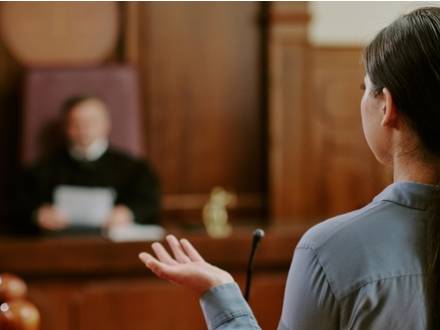 The idea of taking the witness stand in your own divorce case can feel intimidating, even if you know your situation well and have nothing to hide. Courtrooms are unfamiliar territory for most people. Many people don’t like speaking in front of any kind of crowd; the pressure of speaking under oath in front of a judge may feel several degrees worse than that.
With the right preparation, though, you can testify confidently, even if it’s still a little stressful. If your divorce case is heading toward a hearing or trial, a Kendall County divorce attorney can walk you through what to expect and how to present yourself effectively.
What Will You Be Asked on the Witness Stand During Divorce Proceedings?
In Illinois, testimony typically focuses on issues that haven’t yet been resolved between the spouses. If you and your spouse have already agreed on everything, you may not need to testify at all, only show up for the judge’s final ruling. But when the case is contested, a judge needs to hear from both parties.
Common topics that come up during divorce testimony include:
-
The standard of living when you were married
-
Property, debts, and how assets were acquired or used during the marriage
-
Parenting history and involvement if custody is at issue
-
Each spouse's income, employment, and earning potential
-
Allegations of abuse that affect decisions in the divorce settlement
Illinois is a no-fault divorce state under 750 ILCS 5/401, which means the court does not require proof of wrongdoing to grant a divorce. That said, conduct during the marriage can still come up in disputes over property division or spousal maintenance.
How Should You Prepare Before You Testify in Your Divorce?
What you need to prepare depends largely on your situation. Talk to your attorney about specific issues you’ll need to address if you have a highly contested divorce. There are some basics that every person preparing to testify in divorce proceedings should keep in mind, though. These will help you keep facts straight and maintain your credibility in the eyes of the court.
Review Your Own Documents
Before your court date, go through the key documents in your case. This includes financial records, tax returns, bank statements, and any agreements or communications that may come up.
Practice Answering Questions Out Loud
There is a big difference between knowing what you want to say and being able to say it calmly and clearly under pressure. Work with your attorney to run through likely questions in advance. Pay attention to how you phrase your answers — brief, direct responses tend to land better than long explanations. After that, continue to practice saying your answers out loud by yourself.
Review Best Practices for When You’re in the Courtroom
These will keep you from looking suspicious or like you’re trying to conceal something.
-
Listen carefully to each question before you answer.
-
If you do not understand a question, ask for it to be repeated or clarified.
-
Do not guess or speculate; if you do not know something, say so.
-
Stay calm if opposing counsel is aggressive or tries to rattle you.
-
Do not argue with the judge or opposing attorney.
Your demeanor matters as much as your words. Judges notice when someone seems defensive, evasive, or overly dramatic. Presenting yourself as straightforward and composed goes a long way.
What Happens During Cross-Examination in a Divorce Hearing?
After your own attorney questions you, the opposing attorney gets a turn. Cross-examination is designed to test your credibility and look for holes in your story. The opposing attorney may ask leading questions that push you toward a yes or no answer, or bring up prior statements or documents that seem to contradict what you have said.
The best approach during cross-examination is to stay steady. Do not feel pressured to fill silences or over-explain. Answer what was asked and stop. If something is being taken out of context, your attorney will have a chance to address it on redirect.
Call an Oswego, IL Divorce Attorney Today
You need a lawyer who will listen to your concerns and help you feel confident as you approach court dates in your divorce. Our Kendall County divorce lawyer at Loire Krajniak Law, LLC handles every case personally. She’ll help you feel confident and ready to testify. Call 630-448-2406 to schedule your free consultation and start preparing for your 2026 case.


From our office in Geneva, we serve clients throughout Northern Illinois, including Plainfield, Sugar Grove, Shorewood, Joliet, Rockdale, Crest Hill, Aurora, Big Rock, Plano, Yorkville, Bristol, Naperville, Will County, and Kane County.

Contact Our Firm
 The use of the Internet or this form for communication with the firm or any individual member of the firm does not establish an attorney-client relationship. Confidential or time-sensitive information should not be sent through this form.
I have read and understand the Disclaimer and Privacy Policy.